

Dilip Shanghvi and Jensen Huang: Stories of Success
The business world has many successful entrepreneurs who have transformed industries through hard work and innovative thinking. Among them are Dilip Shanghvi and Jensen Huang. Both have built internationally recognised companies and earned respect for their contributions to their respective industries. Although they work in completely different sectors, their journeys share several interesting similarities.
Dilip Shanghvi is the founder of Sun Pharmaceutical Industries. He helped transform a small pharmaceutical business into one of India’s largest pharmaceutical companies. His success demonstrates how patience, business knowledge and strategic acquisitions can create long-term growth.
Jensen Huang is the co-founder and chief executive officer of NVIDIA. He helped transform a graphics technology company into one of the world’s most influential semiconductor and artificial intelligence businesses. His leadership has played an important role in the development of modern computing.
The stories of these two entrepreneurs offer valuable lessons for business owners, investors and aspiring professionals. They demonstrate that success does not depend on following a single business model. Instead, understanding customers, recognising opportunities and investing in future growth can make a significant difference.
1. Who Is Dilip Shanghvi?
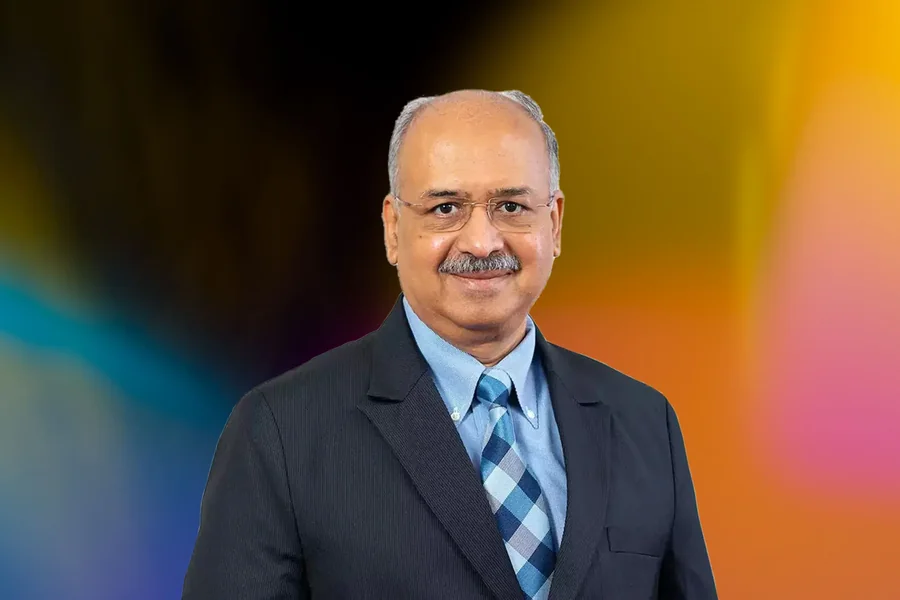
Dilip Shanghvi
Indian entrepreneur and founder of Sun Pharmaceutical Industries
Born: October 1, 1955
Industry: Pharmaceuticals and healthcare
Position: Founder and Executive Chairman of Sun Pharma
Dilip Shanghvi is one of India’s most recognised business entrepreneurs. He is best known for founding Sun Pharmaceutical Industries and building it into a major international pharmaceutical company. His journey is an example of how a small business idea can develop into a global organisation through consistent planning and careful decision-making.
Born on October 1, 1955, in Gujarat, India, Shanghvi grew up in a family connected to the pharmaceutical distribution business. His father operated a wholesale medicine business in Kolkata. This environment helped him become familiar with the pharmaceutical industry from an early age.
Rather than immediately pursuing a large business opportunity, Shanghvi focused on understanding the market. He recognised that pharmaceutical products could provide significant opportunities because people needed affordable and reliable medicines.
He studied commerce at the University of Calcutta. His educational background helped him develop an understanding of business operations and financial management.
In 1983, Shanghvi established Sun Pharmaceutical Industries with financial support from his father. According to Forbes, he borrowed approximately $200 to start the company. Initially, the business focused on producing psychiatric medicines.
Starting a pharmaceutical company was not an easy task. The industry required technical knowledge, regulatory compliance, manufacturing facilities and customer confidence. However, Shanghvi remained focused on building a business that could compete in the pharmaceutical market.
His strategy involved developing specialised medicines and gradually expanding the company’s product range. Instead of depending entirely on rapid expansion, he focused on building a strong foundation.
Over time, Sun Pharma entered additional therapeutic areas and international markets. Its growth helped establish Shanghvi as one of India’s leading business figures.
His contribution has also received national recognition. The Indian government awarded him the Padma Shri in 2016 for his contribution to trade and industry.
Sun Pharmaceutical Industries Limited+2
2. Who Is Jensen Huang?
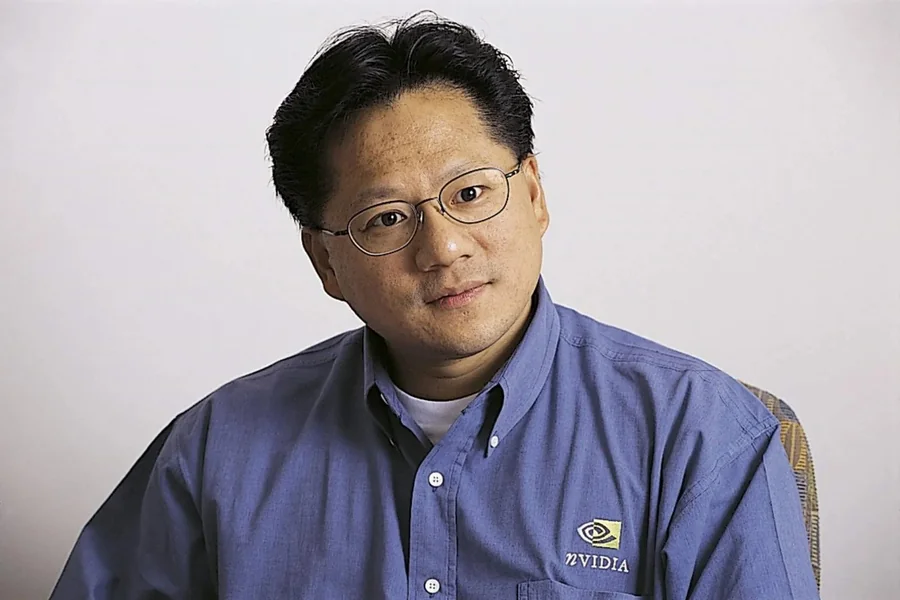
Jensen Huang
Technology entrepreneur and NVIDIA co-founder
Born: February 17, 1963
Industry: Semiconductors and artificial intelligence
Position: Founder, President and CEO of NVIDIA
Jensen Huang is a leading figure in the global technology industry. He is widely recognised for founding NVIDIA and helping the company become a major force in graphics processing and artificial intelligence.
Huang was born in Tainan, Taiwan, on February 17, 1963. During his childhood, he moved to the United States. His early experiences helped shape his interest in education and technology.
He studied electrical engineering at Oregon State University and later earned a master’s degree in electrical engineering from Stanford University. These academic experiences provided the technical foundation for his future career.
Before establishing NVIDIA, Huang worked at Advanced Micro Devices and LSI Logic. These positions allowed him to gain valuable experience in semiconductor technology and computer hardware.
In 1993, Huang co-founded NVIDIA with Chris Malachowsky and Curtis Priem. Their original vision was to develop advanced graphics technology for computers and multimedia applications.
The early years were challenging. The company faced technical difficulties and intense competition. However, Huang and his co-founders continued investing in technology and developing products that could serve growing markets.
One of NVIDIA’s most important milestones came in 1999 with the introduction of the GeForce 256. It helped establish the graphics processing unit as an important technology in modern computing.
Over the following decades, NVIDIA expanded beyond gaming graphics. Its GPUs became important for scientific research, data centres, machine learning and artificial intelligence.
Today, Huang remains NVIDIA’s founder and chief executive officer. His long-term leadership has helped the company adapt to major changes in the technology industry.
His achievements have earned recognition from organisations around the world. He has received several major technology awards and was elected to the National Academy of Engineering. In 2026, NVIDIA also announced his appointment to the President’s Council of Advisors on Science and Technology.
3. How Dilip Shanghvi and Jensen Huang Built Their Companies
The journeys of Dilip Shanghvi and Jensen Huang show how entrepreneurs can build successful companies by identifying opportunities before they become widely recognised.
Shanghvi understood the importance of affordable medicines and specialised pharmaceutical products. Huang recognised the growing importance of computer graphics and advanced processing technology.
Although their industries are different, both entrepreneurs started with focused business ideas and gradually expanded their operations.
Dilip Shanghvi’s business strategy
Shanghvi built Sun Pharma through a combination of product development and strategic acquisitions. His approach focused on strengthening the company’s pharmaceutical capabilities and expanding its international presence.
One of the most significant decisions in Sun Pharma’s history was its acquisition of Ranbaxy Laboratories. The approximately $4 billion transaction was announced in 2014 and completed in 2015.
This acquisition helped Sun Pharma expand its global operations and strengthen its position in the pharmaceutical industry.
The company also expanded through other international investments and acquisitions. These decisions helped it enter new markets and develop a broader product portfolio.
Shanghvi understood that pharmaceutical companies needed more than manufacturing capacity. They also needed research capabilities, regulatory knowledge and strong distribution networks.
Jensen Huang’s technology strategy
Huang followed a different path. Instead of focusing on acquisitions as the main growth strategy, he helped NVIDIA build advanced computing platforms.
The company initially developed graphics technology for gaming and personal computers. However, Huang recognised that GPUs could perform many computing tasks beyond graphics processing.
This insight became especially important as artificial intelligence and machine learning developed.
NVIDIA invested in GPU technology and software tools that allowed developers to use its hardware for more advanced computing applications.
Its CUDA platform became an important part of this strategy. It helped researchers and developers use GPUs for parallel computing and scientific applications.
As AI demand increased, NVIDIA was well positioned to serve businesses that needed powerful computing infrastructure.
Both entrepreneurs demonstrated that long-term business growth often comes from understanding how an industry may change in the future.
4. Leadership Styles and Business Philosophies
Leadership plays an important role in determining how companies respond to challenges and opportunities. Dilip Shanghvi and Jensen Huang have developed different leadership approaches based on their industries and business environments.
Shanghvi is generally associated with a practical and measured business philosophy. His approach emphasises financial discipline, careful expansion and long-term value creation.
In the pharmaceutical industry, companies must consider product quality, safety standards and regulatory requirements. A decision that creates short-term growth but damages product reliability can have serious consequences.
Therefore, building a sustainable pharmaceutical business requires patience and consistent management.
Shanghvi’s strategy of gradual growth helped Sun Pharma expand while developing its position in international markets. His willingness to pursue major acquisitions also demonstrates that careful planning can create opportunities for significant expansion.
Huang is known for a technology-focused and innovation-driven leadership style. He frequently communicates the importance of building products for future computing needs rather than focusing only on existing market demand.
His leadership at NVIDIA has involved significant investment in research and development. The company has continued improving its hardware and software platforms to remain competitive.
Another important aspect of Huang’s leadership is his ability to connect technical innovation with business opportunities.
For example, GPUs were originally associated mainly with computer graphics. However, NVIDIA’s investment in parallel computing helped expand their use into artificial intelligence and other industries.
Both leaders demonstrate that effective leadership requires a clear understanding of the market.
Their experiences also suggest several important business principles:
-
Long-term thinking: Successful companies need strategies that extend beyond immediate financial results.
-
Innovation: Businesses must improve their products and services to remain competitive.
-
Financial discipline: Expansion should support sustainable business performance.
-
Market awareness: Understanding customer needs helps companies identify new opportunities.
-
Adaptability: Leaders must be prepared to respond to changes in technology and consumer demand.
These principles are useful for entrepreneurs regardless of the industry in which they operate.
5. Innovation, Challenges and Global Influence
Innovation has been an important part of the success of both Shanghvi and Huang. However, the meaning of innovation differs between pharmaceuticals and technology.
In the pharmaceutical industry, innovation can involve developing new medicines, improving existing treatments and creating better drug delivery systems.
Sun Pharma has expanded its activities into several therapeutic areas. Its business includes generic medicines and specialty pharmaceutical products.
The company has also invested in research and development through its pharmaceutical operations and Sun Pharma Advanced Research Company.
One of its important areas of development is specialty medicine. These products can address specific medical needs and often require significant research and regulatory investment.
However, the pharmaceutical industry faces several challenges. Companies must deal with strict regulations, manufacturing standards, competition and patent-related issues.
International expansion can also be complicated because different countries have different healthcare systems and approval processes.
Shanghvi’s experience demonstrates the importance of building a business that can manage these challenges while continuing to develop new opportunities.
Huang’s innovation journey has been closely connected to the evolution of computing.
NVIDIA’s GPU technology initially transformed computer graphics and gaming. Later, the same technology became increasingly important for artificial intelligence.
Today, GPUs are used to train and operate advanced AI systems. They also support scientific research, robotics, automotive technology and large-scale data processing.
NVIDIA’s influence extends beyond manufacturing chips. Its software platforms and computing systems have helped establish an ecosystem used by developers, researchers and businesses.
Nevertheless, the company also faces significant challenges.
The semiconductor industry is highly competitive and requires substantial investment. Manufacturing depends on complex international supply chains and advanced production facilities.
Technology companies must also respond to changing customer requirements, export restrictions and competition from other chip manufacturers.
The growing demand for AI computing creates major opportunities but also raises questions about infrastructure costs, energy consumption and long-term investment returns.
Both leaders have demonstrated that innovation is not simply about creating something new. It also involves understanding how technology and products can solve real-world problems.
6. Dilip Shanghvi and Jensen Huang: A Comparison
Although these entrepreneurs operate in different industries, comparing their careers provides an interesting understanding of business development and leadership.
The following table highlights some of the major differences and similarities between them.
| Category | Dilip Shanghvi | Jensen Huang |
|---|---|---|
| National background | Indian | Taiwanese-American |
| Main industry | Pharmaceuticals | Semiconductors and AI |
| Company | Sun Pharma | NVIDIA |
| Founded company | 1983 | 1993 |
| Main business focus | Medicines and healthcare | GPUs and computing |
| Educational background | Commerce | Electrical engineering |
| Growth strategy | Acquisitions and product expansion | Technology and platform innovation |
| Leadership position | Executive Chairman | Founder and CEO |
| Major achievement | Building a global pharmaceutical business | Advancing GPU and AI computing |
| Recognition | Padma Shri | Major engineering and technology awards |
What makes their journeys similar?
The first major similarity is that both entrepreneurs started their companies with a clear business vision.
Shanghvi wanted to establish a pharmaceutical company that could serve important medical needs. Huang wanted to develop advanced graphics technology for the growing computer market.
The second similarity is their commitment to long-term development. Neither company became successful overnight. Both required years of investment, product development and market expansion.
Another important similarity is their ability to recognise opportunities.
Shanghvi used acquisitions and international expansion to strengthen Sun Pharma. Huang helped NVIDIA move from gaming graphics into accelerated computing and AI.
What makes them different?
Their industries require different types of expertise.
Shanghvi’s business operates in a highly regulated healthcare environment. Product safety, manufacturing quality and medical research are essential.
Huang operates in a fast-changing technology environment. Hardware performance, software development and computing innovation are major competitive factors.
Their educational backgrounds also reflect these differences. Shanghvi studied commerce while Huang studied electrical engineering.
Despite these differences, both have shown how specialised knowledge and strategic leadership can create internationally successful businesses.
7. Frequently Asked Questions (FAQs)
1. Who are Dilip Shanghvi and Jensen Huang?
Dilip Shanghvi is an Indian entrepreneur and the founder of Sun Pharmaceutical Industries. Jensen Huang is a Taiwanese-American technology entrepreneur and the co-founder of NVIDIA. Both are internationally recognised business leaders who have influenced their respective industries.
2. What is Dilip Shanghvi famous for?
Dilip Shanghvi is famous for establishing Sun Pharma in 1983 and transforming it into a major international pharmaceutical company. His business strategy includes pharmaceutical development, international expansion and strategic acquisitions.
3. What is Jensen Huang famous for?
Jensen Huang is best known for co-founding NVIDIA in 1993. He helped develop the company’s GPU technology and expand its business into artificial intelligence, accelerated computing and data centre infrastructure.
4. Are Dilip Shanghvi and Jensen Huang from the same industry?
No. They work in different industries. Shanghvi is associated with pharmaceuticals and healthcare while Huang works in semiconductors and advanced computing. Their business journeys are often compared because both have built internationally influential companies.
5. When did Dilip Shanghvi establish Sun Pharma?
Dilip Shanghvi established Sun Pharmaceutical Industries in 1983. The company initially focused on psychiatric medicines before expanding into other pharmaceutical categories and international markets.
6. When did Jensen Huang establish NVIDIA?
Jensen Huang co-founded NVIDIA in 1993 alongside Chris Malachowsky and Curtis Priem. The company initially focused on computer graphics and later expanded into several areas of advanced computing.
7. What are the biggest achievements of Dilip Shanghvi?
His major achievements include building Sun Pharma into a global pharmaceutical business and expanding its international operations through acquisitions. He received the Padma Shri in 2016 for his contribution to Indian trade and industry.
8. What are the biggest achievements of Jensen Huang?
Huang’s achievements include establishing NVIDIA as a major semiconductor company and helping advance GPU technology. His leadership has also contributed to the development of modern AI computing infrastructure.
9. What business lessons can entrepreneurs learn from them?
Entrepreneurs can learn the importance of long-term planning, innovation, market research and financial discipline. Their journeys also show why businesses should adapt to industry changes and invest in future opportunities.
10. Why are Dilip Shanghvi and Jensen Huang important business leaders?
They are important because their companies have influenced major global industries. Shanghvi has contributed to pharmaceutical growth and healthcare while Huang has helped transform computing and artificial intelligence. Their achievements demonstrate the impact of effective business leadership.
8. Final Thought
The stories of Dilip Shanghvi and Jensen Huang demonstrate that successful entrepreneurship can take many different forms. Both leaders started with ambitious ideas and gradually developed businesses that achieved international recognition.
Shanghvi’s journey highlights the importance of patience, financial discipline and strategic expansion. His work with Sun Pharma demonstrates how a focused pharmaceutical business can grow into a major international organisation.
Huang’s journey highlights the importance of technological innovation and recognising future market opportunities. His leadership at NVIDIA has helped transform GPU technology into an essential part of modern artificial intelligence and computing.
Although their industries and leadership approaches are different, both entrepreneurs share a commitment to long-term development and continuous improvement.
Their experiences offer valuable lessons for anyone interested in business. Building a successful company requires more than a good idea. It takes determination, informed decisions and the ability to adapt when circumstances change.
Ultimately, Dilip Shanghvi and Jensen Huang represent two different paths to global business success. Their achievements continue to inspire entrepreneurs and demonstrate how strong leadership can influence entire industries.

Stephen Miller is a language enthusiast and symbol researcher at UrbansVibee. He specializes in uncovering the meanings, origins, and cultural significance of symbols, helping readers understand signs, icons, and symbolism from around the world.