
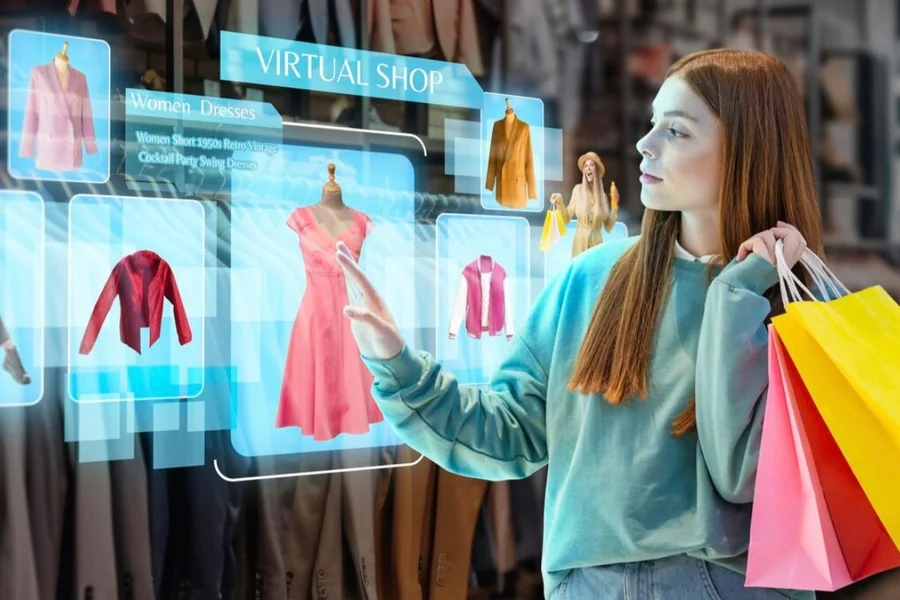
Fashion is an important part of everyday life. It influences how people dress and how they express their personalities. From simple everyday outfits to elegant occasion wear, fashion allows individuals to show their creativity and personal preferences. It is not limited to expensive clothing or designer brands. Even a simple outfit can look attractive when someone knows how to combine different colors and styles.
Over the years fashion has changed significantly. New designs and clothing trends appear regularly while traditional styles continue to influence modern collections. Social media, celebrities and fashion designers also play an important role in shaping what people wear. However personal style remains more important than following every new trend.
Today fashion is available to people from different backgrounds and age groups. Everyone can find clothing that matches their lifestyle and budget. Some people prefer comfortable outfits while others enjoy experimenting with bold colors and unique designs. There is no single definition of good fashion because personal taste plays a major role.
Understanding fashion can help people make better clothing choices. It also encourages creativity and confidence. Whether someone enjoys casual outfits or formal clothing, fashion provides endless opportunities to express individuality.
1. What Is Fashion and Why Does It Matter?
Fashion refers to popular styles of clothing, footwear, accessories and personal appearance. It represents how people choose to present themselves through their outfits. Fashion can change with seasons and cultural influences. However it also reflects personal identity and individual preferences.
For many people fashion is a way to communicate without using words. A person’s clothing choices can express their mood, interests and lifestyle. Someone wearing a simple outfit may prefer comfort and practicality while another person choosing colorful clothing may enjoy creative expression.
Fashion also has an important social and economic role. The clothing industry creates employment opportunities for designers, manufacturers, retailers and marketing professionals. It connects creativity with business and influences consumer behavior around the world.
Fashion matters because clothing is part of daily life. People wear different outfits for work, school, social gatherings and special occasions. Choosing suitable clothing can help someone feel comfortable and confident in different environments.
Good fashion does not always require expensive products. Understanding personal preferences and selecting suitable outfits can make a significant difference.
2. The History and Evolution of Fashion
Fashion has existed throughout human history. Early clothing was mainly designed to provide protection from weather and environmental conditions. As societies developed clothing gradually became a symbol of culture, social position and personal identity.
In ancient civilizations people used natural materials such as cotton, wool, linen and silk to create garments. Different societies developed their own clothing traditions based on climate and available resources. Clothing styles also reflected religious beliefs and social customs.
During the Middle Ages fashion was strongly influenced by wealth and social status. Wealthy individuals often wore expensive fabrics and detailed designs. Ordinary people generally preferred practical clothing made from locally available materials.
The Renaissance period introduced more decorative clothing and creative tailoring. Later the Industrial Revolution transformed the fashion industry through new manufacturing techniques. Clothing became easier to produce and more accessible to ordinary consumers.
The twentieth century brought major changes. Each decade introduced different silhouettes and cultural influences. The 1920s became known for relaxed women’s clothing while the 1960s introduced bold colors and experimental designs. The 1980s popularized oversized silhouettes and statement accessories.
Today fashion combines traditional inspiration with modern technology. Designers use digital tools and global influences to create new collections. This continuous development makes fashion an exciting and constantly changing industry.
3. Different Types of Fashion Styles
Fashion includes many styles that suit different personalities and lifestyles. Understanding these styles makes it easier to choose outfits that match individual preferences.
Casual fashion focuses on comfort and simplicity. Jeans, T-shirts, sneakers and relaxed shirts are common choices. This style is suitable for everyday activities and informal gatherings.
Formal fashion is designed for professional environments and special occasions. Business suits, tailored trousers, dress shirts and elegant dresses are popular examples. Formal clothing often focuses on clean designs and polished appearances.
Streetwear fashion takes inspiration from urban culture and modern youth trends. Oversized T-shirts, hoodies, sneakers and graphic prints are commonly associated with this style. It allows people to express their personalities through creative combinations.
Traditional fashion represents cultural heritage and historical clothing practices. Sarees, salwar kameez, kurtas and other regional garments remain important in many communities.
Minimalist fashion emphasizes simplicity and functionality. Neutral colors, clean silhouettes and versatile clothing pieces are common features. People who prefer this style often choose fewer items that work well together.
Vintage fashion takes inspiration from clothing trends of earlier decades. Vintage dresses, classic jackets and retro accessories can create distinctive looks.
There is no need to follow only one fashion style. People can combine different influences to develop a personal appearance that feels natural.
4. The Importance of Personal Style
Personal style is one of the most meaningful parts of fashion. It represents how someone chooses clothing based on personality, comfort and lifestyle. While trends change regularly personal style can remain consistent over time.
Developing a personal style does not happen overnight. It often requires trying different outfits and understanding what works best. Some people prefer simple colors and basic clothing while others enjoy patterns and creative designs.
The first step is identifying personal preferences. Looking at existing clothing can help someone understand which colors and designs they wear most often. It is also useful to consider daily activities. Someone working in an office may need different outfits from someone who spends most of the day outdoors.
Body comfort should also be considered. Clothing should allow natural movement and provide a comfortable fit. People do not need to follow specific fashion rules to look attractive.
Another important factor is confidence. Wearing clothing that feels appropriate and comfortable can help people feel more positive about their appearance.
Personal style should reflect individual choices rather than pressure from other people. Fashion becomes more meaningful when people wear what they genuinely enjoy.
5. How Fashion Trends Influence Modern Society
Fashion trends influence what people wear and how clothing businesses develop new products. Trends can emerge from designer collections, celebrity appearances, social media platforms and popular culture.
Social media has made fashion trends spread faster than ever. A clothing style introduced by an influencer can become popular among millions of people within a short period. Short videos and fashion photographs allow users to share outfit ideas and styling inspiration.
Celebrities also have a significant influence. Their appearances at public events often introduce new clothing combinations and accessories. Many people follow celebrity fashion to find inspiration for their own wardrobes.
Fashion brands monitor consumer interests to understand which products may become popular. They use this information when developing new collections and marketing campaigns.
However not every trend is suitable for everyone. Some trends may look attractive online but feel uncomfortable in everyday situations. Following every popular style can also become expensive.
A practical approach is to choose trends that match personal preferences. Adding one fashionable accessory or clothing item can refresh an existing wardrobe without replacing everything.
Fashion trends are useful sources of inspiration but they should not control personal choices.
6. The Role of Colors and Fabrics in Fashion
Colors and fabrics play an important role in creating attractive outfits. Even simple clothing can look different depending on its color combination and material.
Neutral colors such as black, white, beige, grey and navy are popular because they are easy to combine. These shades work well for everyday clothing and formal outfits. Bright colors such as red, yellow, green and orange can create stronger visual statements.
Choosing suitable colors depends on personal preference and the occasion. Some people enjoy wearing bright shades while others feel more comfortable in neutral combinations. There is no universal rule that everyone must follow.
Fabric selection is equally important. Cotton is widely used because it is breathable and comfortable. Linen is another popular option for warm weather because of its lightweight texture. Wool provides warmth during colder seasons while silk is often selected for elegant garments.
Synthetic fabrics such as polyester are also common in modern clothing. They can offer durability and easy maintenance depending on their construction and quality.
The weather should influence fabric choices. Lightweight materials are generally suitable for hot conditions while thicker fabrics provide better insulation in cold environments.
For people living in warmer climates such as Bangladesh breathable fabrics can make everyday clothing more comfortable. Cotton and lightweight linen are useful choices for regular wear.
Combining suitable colors with comfortable fabrics helps create outfits that look good and feel practical.
7. Fashion Accessories and Their Impact
Accessories can transform an ordinary outfit into something more stylish. They provide opportunities to add personality and create different looks without purchasing completely new clothing.
Common fashion accessories include watches, handbags, belts, sunglasses, jewelry, scarves and hats. Each accessory serves a different purpose and can influence the overall appearance of an outfit.
Watches are popular because they combine practical use with personal style. A simple watch can complement formal clothing while a sporty design may suit casual outfits.
Handbags are both functional and fashionable. People choose different sizes and designs depending on their daily needs. A small handbag may work well for social events while a larger bag can be more useful for work or travel.
Jewelry adds detail and character. Earrings, necklaces, bracelets and rings can create elegant or modern appearances. However accessories do not need to be expensive to look attractive.
Footwear is another important part of fashion. Sneakers are popular for casual outfits while formal shoes and elegant sandals are suitable for different occasions.
The key is balance. Wearing too many accessories can make an outfit look crowded. Selecting a few items that complement the clothing usually creates a cleaner appearance.
8. Sustainable Fashion and Responsible Shopping
Sustainable fashion has become an important topic in the modern clothing industry. It focuses on reducing environmental harm and encouraging responsible production and consumption.
Traditional clothing production can require large amounts of water and energy. Some manufacturing processes also produce pollution and textile waste. Fast fashion creates additional challenges because inexpensive clothing is often purchased and discarded quickly.
Sustainable fashion encourages people to think carefully before buying new clothing. Instead of purchasing items simply because they are trending consumers can focus on quality and long-term usefulness.
One practical approach is building a wardrobe with versatile pieces. A few well-made shirts, trousers, dresses and jackets can create many different outfit combinations.
Buying secondhand clothing is another way to reduce waste. Many pre-owned garments remain in good condition and can provide affordable alternatives to new products.
Repairing clothing also helps extend its lifespan. Small issues such as loose buttons or minor stitching problems can often be fixed easily.
Consumers can also look for brands that provide clear information about their materials and manufacturing practices. However it is important to check specific claims rather than assuming every product labeled sustainable is environmentally friendly.
Sustainable fashion is not about buying expensive eco-friendly clothing. It is about making thoughtful decisions and reducing unnecessary consumption.
9. Fashion in the Digital Age
Technology has changed how people discover and purchase fashion. In the past consumers mainly relied on physical stores, magazines and television for clothing inspiration. Today digital platforms provide access to fashion ideas from around the world.
Social media platforms allow designers, influencers and everyday users to share their outfits. People can follow different fashion communities and learn new styling techniques without attending fashion events.
Online shopping has also transformed the clothing industry. Customers can browse thousands of products from home and compare different designs, sizes and prices. Many retailers provide detailed product photographs and customer reviews to help buyers make decisions.
Artificial intelligence is becoming increasingly important in fashion. Some online platforms use recommendation systems to suggest products based on customer interests. Virtual fitting technologies are also being developed to help shoppers understand how clothing might look before purchasing.
Fashion brands use digital marketing to reach customers in different countries. Online campaigns and influencer partnerships help companies introduce new collections to wider audiences.
However digital fashion also has challenges. Edited photographs and unrealistic beauty standards can create pressure to look a certain way. Online product images may also differ from the actual clothing received by customers.
Consumers should use digital platforms as sources of inspiration while making practical shopping decisions.
10. How to Build a Stylish and Practical Wardrobe
Building a stylish wardrobe does not require hundreds of clothing items. A carefully selected collection of versatile garments can make everyday dressing easier and more affordable.
The first step is understanding personal needs. Someone who works in an office may require formal shirts and trousers while a student may prefer comfortable casual outfits. Lifestyle should guide clothing purchases.
Basic clothing items are useful starting points. Plain T-shirts, well-fitting jeans, neutral trousers and comfortable shoes can form the foundation of many outfits.
Choosing versatile colors makes outfit combinations easier. Black, white, grey, navy and beige generally work well with many other shades.
It is also important to consider clothing quality. Before purchasing an item check its stitching, fabric and overall construction. A well-made garment may last longer than a cheaper alternative.
Avoid purchasing clothing simply because it is discounted. An attractive price does not always mean the item will be useful. Think about whether the garment matches existing wardrobe pieces.
Organizing clothing can also improve daily styling. Keeping similar items together makes it easier to find suitable combinations. Removing damaged or unused garments creates additional space.
A practical wardrobe should support everyday activities while reflecting personal preferences. Comfort and usefulness should remain important priorities.
11. The Future of Fashion
The fashion industry continues to change as technology, consumer behavior and environmental concerns influence clothing design and production.
One important development is the growing interest in sustainable materials. Researchers and manufacturers are exploring recycled textiles and alternative fabrics that may reduce environmental impact.
Digital fashion is another emerging area. Virtual clothing and digital fashion collections allow people to experiment with different appearances in online environments. These developments may create new opportunities for designers and creative professionals.
Artificial intelligence may also influence fashion production. Technology can help companies analyze customer preferences and predict demand. Better forecasting could potentially reduce unnecessary production and excess inventory.
Personalized fashion is expected to remain important. Consumers increasingly want clothing that reflects their preferences rather than simply following mass-market trends.
Traditional craftsmanship may also gain renewed attention. Handmade details and culturally inspired designs provide a connection between modern fashion and historical traditions.
The future of fashion will likely combine creativity with practicality. Consumers will continue looking for attractive clothing that suits their budgets and lifestyles.
Although technology will introduce new possibilities human creativity and personal expression will remain central to fashion.
Final Thought
Fashion is much more than choosing attractive clothing. It is a form of personal expression that connects creativity, culture and everyday life. From traditional garments to modern streetwear fashion provides countless ways to communicate personality and individual taste.
The best fashion choices are not necessarily the most expensive or popular ones. Comfortable clothing, suitable colors and thoughtful combinations can create an attractive appearance without spending too much money.
As fashion continues to evolve people should feel free to experiment with different styles while maintaining their own preferences. Following trends can be enjoyable but personal confidence and comfort matter more.
Ultimately fashion should make people feel good about themselves. A meaningful personal style comes from understanding what works best and wearing it with confidence.

Stephen Miller is a language enthusiast and symbol researcher at UrbansVibee. He specializes in uncovering the meanings, origins, and cultural significance of symbols, helping readers understand signs, icons, and symbolism from around the world.