
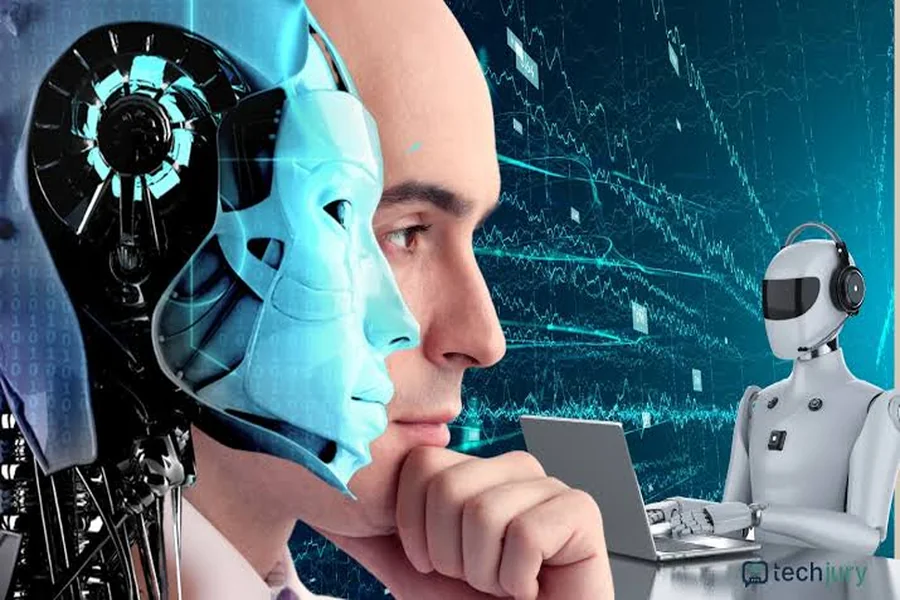
Introduction
Technology has become an essential part of modern life. People use digital tools to communicate with others and manage their finances. Businesses depend on advanced systems to serve customers and improve daily operations. Even simple activities such as shopping or booking appointments have become easier through digital platforms.
The digital world continues to change as new technologies become available. Artificial intelligence is improving how people work and access information. Cloud computing is making digital services more flexible while cybersecurity is becoming increasingly important as online threats grow. Other developments such as virtual reality and the Internet of Things are also changing how people interact with technology.
These changes are not limited to large technology companies. Small businesses and individuals are also adopting new tools to save time and improve productivity. Understanding the latest technology trends can help people make better decisions and prepare for future developments.
This article discusses the latest technology trends shaping the digital world and explains how they are influencing businesses and everyday life.
1. Artificial Intelligence Is Transforming Everyday Activities
Artificial intelligence has become one of the most influential technologies in the modern digital world. It allows computer systems to perform tasks that traditionally require human intelligence. These tasks include understanding language and recognizing images. AI can also analyze information and generate useful responses.
Many people already use AI without realizing how frequently it appears in their daily activities. Search engines use intelligent systems to provide relevant results. Online shopping platforms recommend products based on browsing behavior. Smartphones use AI features for photography and voice assistance.
Businesses are also adopting AI to improve their operations. Customer service teams use chatbots to answer common questions. Marketing departments use AI tools to organize information and prepare content. Financial companies apply intelligent systems to identify unusual transactions.
Generative AI has created another major development. It can produce written content and images based on user instructions. Some tools can also generate audio and assist with programming tasks. This gives individuals and businesses new ways to complete creative and technical work.
However AI still has limitations. It can produce inaccurate information or misunderstand complex instructions. Important decisions should involve human judgment and proper verification.
As AI technology improves it will likely become a regular part of professional and personal activities.
2. Cloud Computing Is Changing How Businesses Work
Cloud computing allows people and organizations to access digital resources through the internet. Instead of storing everything on a local computer companies can use remote servers to manage applications and data.
This technology has changed how businesses operate. Employees can access important files from different locations. Teams can work together on shared documents without sending multiple versions through email. Managers can also monitor projects through online platforms.
Read more: Cnlawblog
Cloud services offer flexibility because businesses can increase or reduce their resources based on demand. A growing company does not always need to purchase expensive physical servers to support additional users.
There are different types of cloud services. Some provide storage while others offer computing power or complete software applications. Businesses can choose services according to their requirements and budgets.
Cloud computing also supports remote work. Employees can use approved applications from home or other locations. This helps organizations maintain productivity when teams are not working from the same office.
Security remains an important consideration. Companies must protect their accounts and control who can access sensitive information. Strong passwords and multi-factor authentication can reduce some common risks.
As more organizations move their operations online cloud computing will remain an important part of digital transformation.
3. Cybersecurity Is Becoming More Important
As technology becomes more connected the need for digital security continues to grow. Businesses and individuals store large amounts of information online. This includes personal details and financial records as well as confidential business documents.
Cybercriminals use different methods to access private information. Phishing emails may trick people into sharing login details. Malware can damage devices or steal data. Ransomware attacks may prevent organizations from accessing important files until a payment is demanded.
Modern cybersecurity uses several methods to reduce these threats. Firewalls help monitor network traffic while antivirus software can identify harmful programs. Encryption protects information by making it difficult for unauthorized people to read.
Multi-factor authentication adds another layer of protection. Users may need to confirm their identity through a mobile device or another verification method before accessing an account.
Artificial intelligence is also becoming part of cybersecurity systems. Intelligent tools can analyze network activity and identify unusual patterns. They may help security teams respond to potential threats more quickly.
However technology alone cannot prevent every attack. Employees need training to recognize suspicious messages and unsafe links. Regular software updates and secure passwords are also important.
Cybersecurity is no longer only a technical responsibility. It is an essential part of protecting digital activities.
4. The Internet of Things Is Connecting Everyday Devices
The Internet of Things refers to physical devices that connect to the internet and exchange information. These devices may include household appliances and wearable technology. Industrial machines and environmental sensors can also become part of an IoT network.
Smart homes are one of the most familiar examples. People can control lighting and temperature through connected applications. Some security cameras allow homeowners to check their properties remotely. Smart doorbells can send notifications when someone approaches the entrance.
Wearable devices also use IoT technology. Smartwatches can track physical activity and display notifications. Some devices collect health-related measurements that users can review through mobile applications.
Businesses use connected sensors to monitor equipment and improve efficiency. Factories can collect information about machine performance. Agricultural companies can monitor soil conditions and use water more efficiently.
The technology can help people save time and make better decisions. However connected devices may create privacy and security concerns. Weak passwords or outdated software can expose devices to unauthorized access.
Manufacturers and users should take security seriously when connecting everyday products to the internet.
5. 5G and Faster Mobile Connectivity
Fifth-generation mobile network technology is changing how people access online services. Commonly known as 5G it offers the potential for faster data speeds and lower latency compared with earlier mobile network generations.
Faster connectivity can improve video streaming and online gaming. It may also support applications that require quick communication between devices.
For businesses 5G can help connect machines and sensors in industrial environments. It may support remote monitoring and advanced automation. These capabilities can improve operations in sectors such as manufacturing and transportation.
Another important feature is the ability to support a large number of connected devices in suitable network conditions. This is useful as smart cities and connected infrastructure continue to develop.
However 5G availability varies between countries and regions. Network performance also depends on coverage and infrastructure. Some locations may still rely heavily on older mobile networks.
The technology is an important step toward a more connected digital environment. Its long-term value will depend on affordable access and useful applications.
6. Virtual Reality and Augmented Reality Are Creating New Experiences
Virtual reality and augmented reality are changing how people interact with digital content. Although these technologies are related they provide different experiences.
Virtual reality creates a computer-generated environment that users can experience through specialized headsets. It can place people inside digital spaces where they can look around and interact with virtual objects.
Augmented reality adds digital elements to the real world. Users may view additional information through a smartphone or compatible glasses. For example a furniture application can show how a particular sofa might look inside a room.
These technologies have applications beyond entertainment. Schools can use virtual environments to support learning. Businesses can provide product demonstrations without requiring physical samples. Some industries also use immersive simulations for training.
Gaming remains an important area for VR and AR development. Players can experience digital environments in new ways. Developers can create interactive experiences that feel more realistic.
However hardware costs and technical limitations can affect adoption. Some users may also experience discomfort during extended VR sessions.
As devices become more comfortable and affordable these technologies may become more common in everyday digital activities.
7. Blockchain Is Expanding Beyond Digital Currency
Blockchain is a digital recordkeeping technology that stores information across a distributed network. Records are grouped into blocks and connected through cryptographic methods. This structure can make certain types of information difficult to change without detection.
Blockchain became widely known through cryptocurrencies. However its potential uses extend beyond digital payments.
Some businesses are exploring blockchain for supply chain management. It can help record the movement of products between suppliers and distributors. This may improve transparency when information is recorded and verified correctly.
Smart contracts are another important application. These are digital programs that automatically perform specific actions when predefined conditions are met. They can support certain financial and business processes.
Blockchain is also being considered for digital identity and record management. Organizations may use it to improve how information is verified and shared.
Despite its potential the technology has limitations. Some blockchain networks consume significant energy. Others face challenges involving speed and transaction costs. Legal requirements and technical complexity can also affect adoption.
Blockchain should not be viewed as a solution for every digital problem. Its value depends on whether a specific application genuinely benefits from a distributed record system.
8. Automation and Robotics Are Improving Productivity
Automation allows machines and software to complete tasks with limited human involvement. It has become an important technology trend across different industries.
Businesses use automated systems to manage repetitive activities. Software can process invoices and organize customer information. Automated tools can also send notifications and prepare routine reports.
Robotics has a major role in manufacturing and logistics. Industrial robots can perform tasks that require precision and repetition. Warehouses may use automated systems to move products and organize inventory.
Automation can reduce manual workloads and help businesses operate more efficiently. Employees may then have more time to focus on planning and problem-solving.
Artificial intelligence is making automation more flexible. Traditional systems often follow fixed instructions. AI-powered tools can analyze information and respond to certain changes in their environment.
However automation also creates challenges. Some jobs may change as businesses adopt new systems. Workers may need additional training to develop skills that remain valuable in an increasingly digital workplace.
The most effective approach is to use automation to support people rather than treating it as a replacement for every human task.
9. Data Analytics Is Helping Businesses Make Better Decisions
Data has become one of the most valuable resources in the digital economy. Businesses collect information from websites and mobile applications. They also gather data from customer interactions and internal operations.
Data analytics helps organizations turn this information into useful insights. Instead of relying entirely on assumptions managers can examine patterns and trends before making decisions.
For example an online store can analyze which products receive the most attention. It can study customer purchasing habits and identify periods of higher demand. This information may help the business improve its product selection and marketing strategy.
Healthcare organizations can use data analysis to study service performance and operational needs. Financial institutions may analyze transaction patterns to identify unusual activity.
Modern analytics platforms make it easier to organize large amounts of information. Some tools provide visual dashboards that display important measurements through charts and reports.
Artificial intelligence can also support data analysis by identifying patterns that may be difficult to notice manually.
However data quality is essential. Incorrect or incomplete information can lead to poor decisions. Organizations must also respect privacy rules and protect sensitive customer details.
10. Digital Payments and Fintech Are Changing Financial Services
Digital payment technology has made financial transactions faster and more convenient. People can now pay for products and services through mobile applications and online banking platforms.
Digital wallets allow users to store payment information and complete transactions through supported devices. Contactless payments can reduce the need to handle physical cash. Online payment gateways help businesses accept money from customers in different locations.
Financial technology companies are also developing services that make banking more accessible. Some platforms allow users to transfer funds and manage accounts without visiting a physical branch.
Small businesses benefit from these developments because digital payments can simplify transactions. Online sellers can receive payments through supported services and manage records more efficiently.
Security remains important in digital finance. Users should avoid sharing one-time passwords and banking credentials. They should also verify payment requests before sending money.
Digital payment systems may differ between countries. Fees and transaction limits can also vary by provider.
As financial technology continues to develop digital transactions will likely become an even more common part of everyday life.
11. Sustainable Technology Is Supporting a Greener Future
Technology can contribute to environmental protection when it is designed and used responsibly. Sustainable technology focuses on reducing environmental impact while supporting modern needs.
Renewable energy systems are an important example. Solar panels and wind turbines use natural energy sources to generate electricity. Smart systems can help monitor energy production and improve how power is distributed.
Electric vehicles are also changing transportation. They use electric motors rather than traditional petrol or diesel engines. Their environmental benefits depend partly on how electricity is produced and how batteries are manufactured.
Data centers and digital services are also receiving attention because they require electricity and cooling systems. Technology companies are investing in energy-efficient equipment and renewable power to reduce their environmental impact.
Smart agriculture can help farmers monitor soil and water conditions. Connected sensors may reduce unnecessary resource use and support better crop management.
Sustainable technology does not mean every new digital product is automatically environmentally friendly. Electronic waste and energy consumption remain serious concerns.
Consumers and businesses can support greener practices by choosing durable products and recycling electronic equipment responsibly.
12. Final Thought
The latest technology trends are changing how people communicate and work. Artificial intelligence is improving digital services while cloud computing makes information more accessible. Cybersecurity is helping protect online activities and connected devices are making everyday environments smarter.
Developments in 5G and virtual reality are creating new ways to experience digital content. Blockchain and automation are changing business operations while data analytics is helping organizations make informed decisions. Digital payments are simplifying financial activities and sustainable technology is supporting more responsible development.
However technological progress also brings challenges. Privacy concerns and cybersecurity threats require attention. Businesses and individuals must learn how to use digital tools responsibly.
The digital world will continue to evolve as new ideas and innovations become available. People who understand these trends can make better use of technology and prepare for future opportunities.

Stephen Miller is a language enthusiast and symbol researcher at UrbansVibee. He specializes in uncovering the meanings, origins, and cultural significance of symbols, helping readers understand signs, icons, and symbolism from around the world.