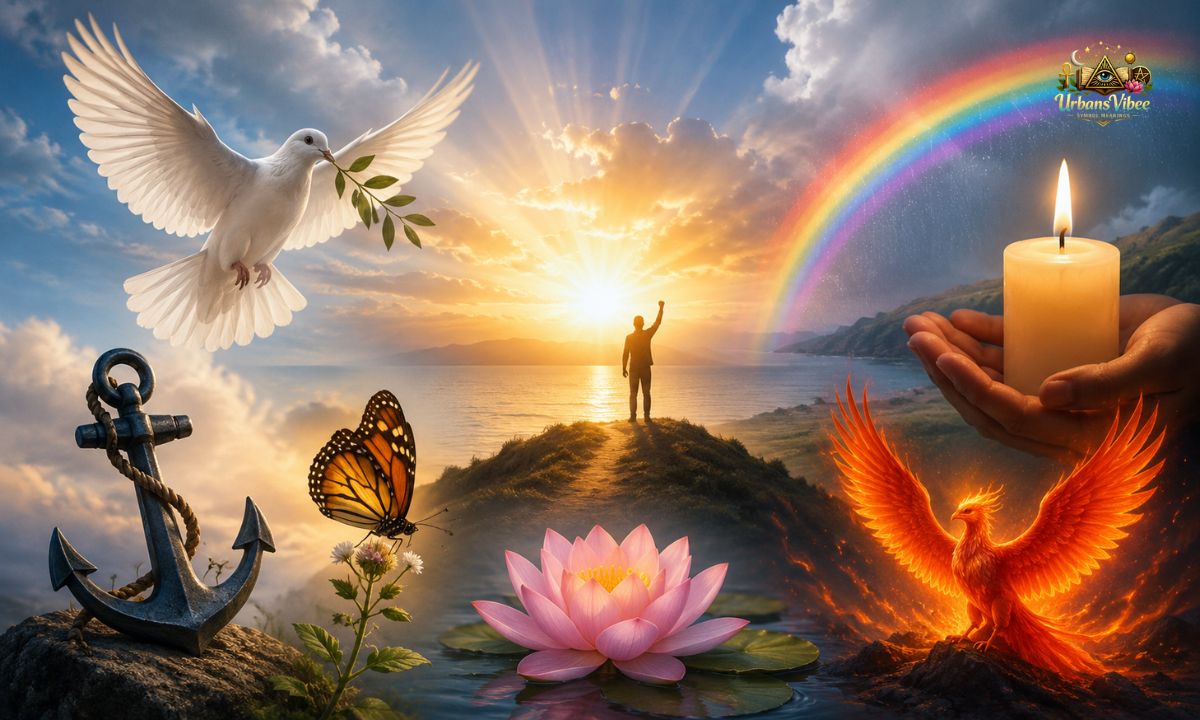
Symbols of hope are images and objects that remind people to stay strong during hard times. They show up in different forms like a dove, a rising sun, or a simple candle. People from many cultures use these symbols to express faith, courage, and the belief that better days are coming.
Even in 2026, these symbols still matter. They appear in art, tattoos, therapy sessions, and daily conversations. This guide explains the true meaning behind popular hope symbols. You will learn how different cultures view hope in their own way.
You will also see how colors, animals, and religious traditions connect to this idea. By the end, you will understand why humans keep turning to these symbols when life feels uncertain.
What Are Symbols of Hope?
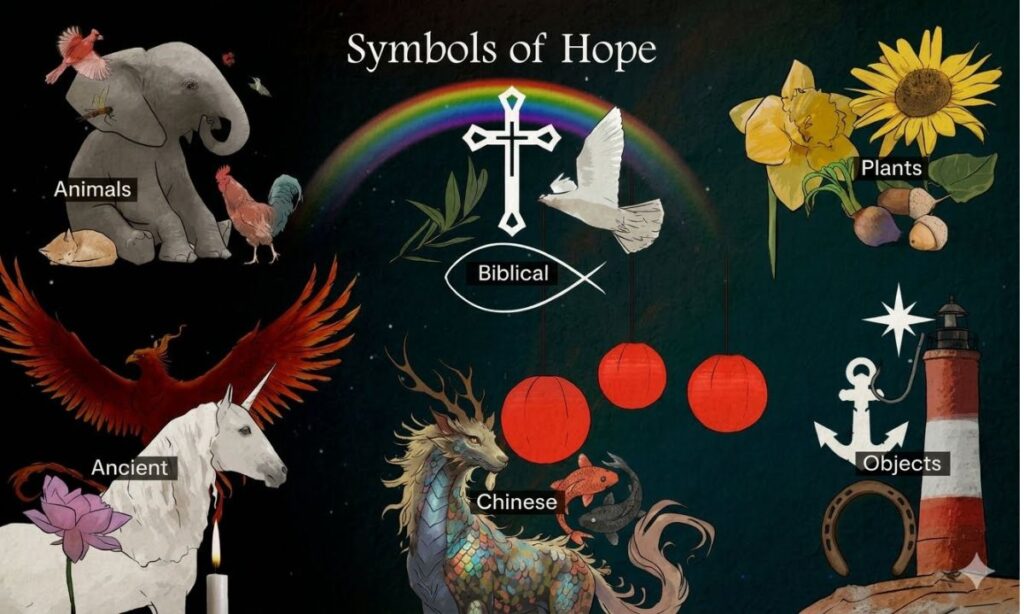
Symbols of hope are visual signs that carry a message of comfort and strength. They can be objects, colors, animals, or images that people connect to positive feelings. When life feels difficult, these symbols give people something to hold onto.
A symbol of hope does not need words. A single image can remind someone that things can get better. A rainbow after a storm often signals calm and renewal. A candle in the dark reminds people that light always returns.
These symbols appear in religion, art, nature, and everyday life. Different cultures may use different symbols, but the core meaning stays the same. Hope symbols help people express faith, patience, and trust in a better future.
Deep Symbolic Meaning of Hope Symbols
Hope symbols carry meaning on several levels. They speak to the spirit, the mind, and the culture a person grows up in. Each layer adds depth to why these symbols feel so powerful.
Spiritual Meaning
In spiritual life, hope symbols often point to something greater than daily struggles. A dove may represent peace sent from above. A lotus flower may show the soul rising above pain. These symbols give people a sense of connection to faith and higher purpose.
Many people turn to spiritual symbols during grief or uncertainty. Holding onto a symbol can feel like holding onto a promise. It offers comfort when words are not enough.
Psychological Meaning
From a psychological view, hope symbols support mental strength. They act as visual reminders that hard times pass. Seeing a familiar symbol can lower stress and bring a sense of control.
Psychologists often note that hope is linked to motivation. When people see a symbol that represents hope, it can push them to keep trying. This is why hope symbols appear often in therapy tools and recovery programs.
Cultural Meaning
Culture shapes how a symbol is understood. A color or animal that means hope in one country may carry a different meaning elsewhere. For example, white symbolizes purity and hope in many Western cultures, while in parts of Asia it can represent mourning.
Understanding cultural meaning helps avoid confusion. It also shows how universal the idea of hope is, even when the symbols themselves change.
Common Symbols of Hope and Their Meanings
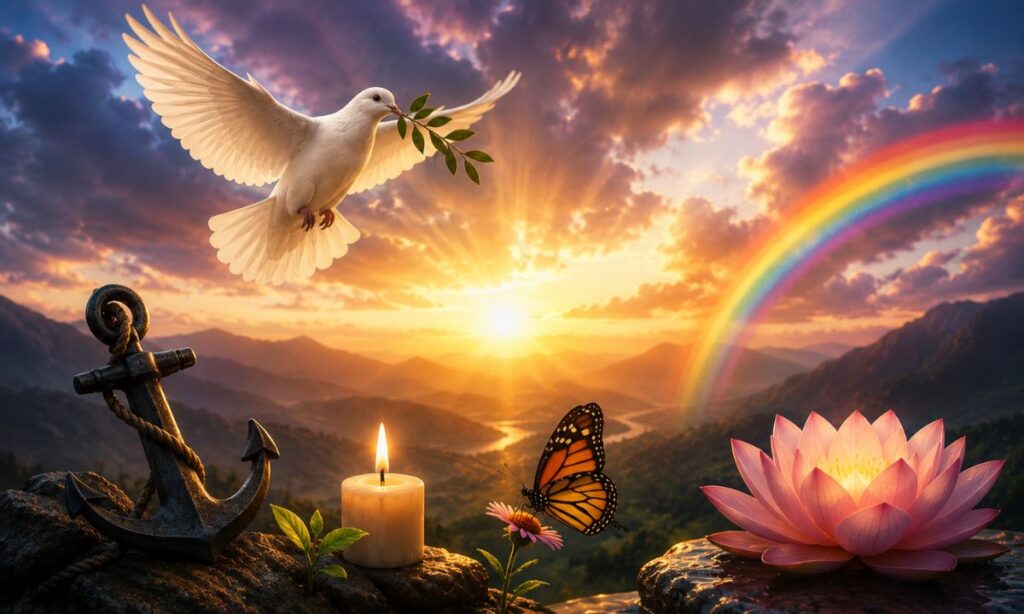
Some symbols of hope are recognized almost everywhere in the world. Each one carries its own story and background.
The Dove
The dove is one of the oldest symbols of hope and peace. It appears in the story of Noah, where a dove returned with an olive branch after the flood. This image still represents new beginnings and calm after hardship.
The Rising Sun
A rising sun shows that darkness always ends. It represents new starts, energy, and the promise of a better day. Many cultures use sunrise imagery to mark fresh beginnings, from New Year celebrations to daily prayers.
The Anchor
The anchor symbolizes stability during rough times. Sailors once relied on anchors to stay steady in storms. Today, the anchor reminds people to stay grounded and strong when life feels uncertain.
The Butterfly
The butterfly represents transformation. It moves from a caterpillar to a completely new form, which mirrors personal growth and change. Many people see the butterfly as a sign that painful periods can lead to something beautiful.
The Candle
A candle brings light into darkness. It stands for guidance, comfort, and remembrance. Lighting a candle during difficult moments is a common way to express hope and support.
The Rainbow
The rainbow appears after a storm, which makes it a natural symbol of hope. It shows that calm follows chaos. Its many colors also represent diversity, unity, and joy.
The Lotus Flower
The lotus grows in muddy water yet blooms clean and beautiful. This makes it a strong symbol of hope through struggle. In many Eastern traditions, the lotus represents purity, growth, and spiritual awakening.
The Olive Branch
The olive branch has long stood for peace and hope. It appears in ancient texts and modern flags alike. Offering an olive branch is often a gesture of goodwill and reconciliation.
The Phoenix
The phoenix is a mythical bird that rises from its own ashes. It represents rebirth and the ability to recover from loss. People often use the phoenix to symbolize personal comebacks after hard chapters in life.
Symbols of Hope Across Cultures
Hope has always been part of human history. Different civilizations expressed it through their own symbols and stories.
Ancient Egypt
In Ancient Egypt, the sun held deep meaning. The sun god Ra represented life, renewal, and hope for each new day. Egyptians also used the scarab beetle as a sign of rebirth and protection.
Greek Civilization
In Greek mythology, hope was personified as Elpis. According to legend, Elpis remained in Pandora’s box after all troubles were released, showing that hope stays even in hard times. Olive branches were also common symbols of peace and hope in Greek culture.
Christianity
Christianity uses several strong symbols of hope. The dove, the cross, and the anchor all appear throughout Christian teaching. These symbols represent faith, salvation, and trust in better outcomes.
Native American Cultures
Native American traditions often connect hope to nature. Feathers, especially eagle feathers, symbolize strength and spiritual guidance. Many tribes also see the sunrise as a sign of renewal and blessing.
Chinese Culture
In Chinese culture, the color red represents luck, joy, and hope. Symbols like the dragon and the phoenix also carry meanings of strength and positive change. The lotus flower holds a respected place here as well.
African Cultures
Many African cultures use nature-based symbols for hope, such as the baobab tree, known for its long life and resilience. Community and unity are also seen as sources of hope, often expressed through shared rituals and storytelling.
Celtic Culture
Celtic symbols often connect hope to nature cycles. The Celtic knot, with its unbroken lines, represents eternity and continued strength. Trees, especially the oak, symbolize endurance and hope through changing seasons.
Religious Symbols of Hope
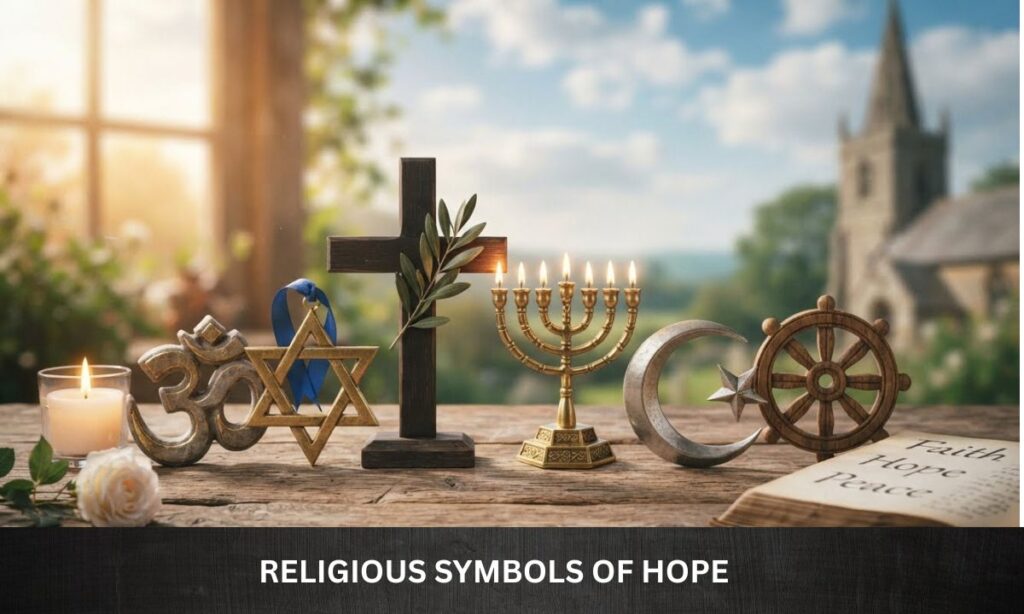
Religion plays a major role in shaping how people understand hope. Each faith offers its own symbols to guide believers through hard times.
Christianity
In Christianity, the cross stands as the central symbol of hope. It represents sacrifice, forgiveness, and the promise of new life. The dove also plays a key role, often shown alongside images of peace and the Holy Spirit.
Buddhism
In Buddhism, the lotus flower is the clearest symbol of hope. It grows from mud but blooms pure, representing the path from suffering to enlightenment. The wheel of dharma also reflects the ongoing journey toward peace and understanding.
Islam
In Islam, light is a strong symbol of hope and guidance. The crescent moon also holds meaning, often linked to renewal and the passing of time. Prayer itself is seen as a source of hope, offering comfort and connection to faith.
Animal Symbols of Hope
Animals often carry symbolic weight across cultures, and many represent hope in clear and relatable ways.
Birds
Birds, especially doves and sparrows, are common symbols of hope. Their ability to fly represents freedom and rising above hardship. Seeing a bird after a difficult period is often viewed as a positive sign.
Dolphins
Dolphins symbolize joy, intelligence, and harmony. Their playful nature reminds people to find light moments even during stress. In many coastal cultures, dolphins are seen as guides and protectors.
Elephants
Elephants represent strength, memory, and family bonds. Their calm and steady nature makes them a symbol of patience and enduring hope. In many Asian cultures, elephants also symbolize good fortune.
Wolves
Wolves symbolize loyalty and survival. Their strong pack instincts show the importance of support and community during hard times. Wolves remind people that facing struggles together brings strength.
Colors That Symbolize Hope
Colors carry emotional weight and often connect directly to feelings of hope.
Yellow is linked to sunshine, energy, and optimism. Green represents growth, renewal, and balance. White often stands for purity, peace, and new beginnings. Blue can symbolize calm and trust, while red, in several cultures, represents luck and strong hope for the future.
These colors appear often in art, clothing, and design when the goal is to express comfort and positivity.
Symbols of Hope in Art, Literature, Movies & Pop Culture
Artists and writers have used hope symbols for centuries to connect with audiences. Paintings often use light breaking through darkness to represent hope. Literature frequently uses birds, sunrises, and open roads to show a character moving toward a better future.
In movies, hope symbols help tell emotional stories without heavy dialogue. A single ray of light or a returning bird can carry deep meaning. Pop culture continues this pattern, using symbols like the peace sign or bright color palettes to express optimism and unity.
Spiritual & Dream Meaning of Hope Symbols
In dreams, hope symbols often reflect a person’s inner state. Seeing a rainbow in a dream may suggest relief after a hard period. A rising sun in a dream can mean new opportunities are coming.
Spiritually, these symbols in dreams are often seen as gentle reminders. They suggest that the mind is processing hard emotions and moving toward healing. While dream meanings can vary, hope symbols usually carry a positive and comforting message.
Symbols of Hope in Modern Society
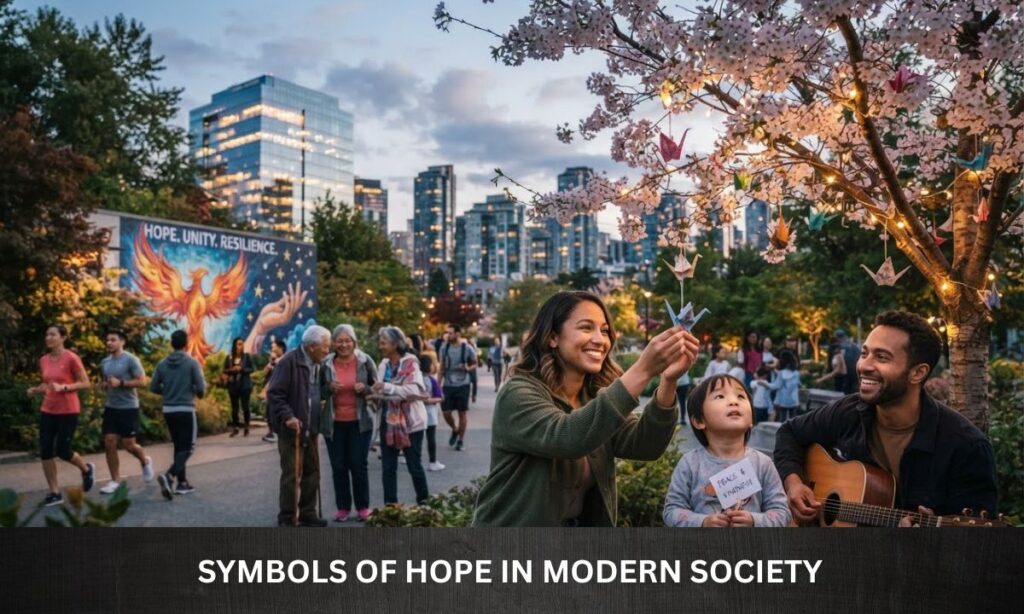
Hope symbols continue to play an active role in daily life, especially in areas that deal with struggle and recovery.
Mental Health Support
Mental health organizations often use symbols like the semicolon or the color green to represent hope and continued life. These symbols offer quiet support to people facing anxiety, depression, or emotional pain.
Hospitals and Recovery Centers
Hospitals often use light imagery, ribbons, and calm colors to bring comfort to patients. These symbols help create a sense of safety and encouragement during treatment and recovery.
Awareness Campaigns
Awareness campaigns use specific colors and ribbons to represent different causes, offering hope to those affected and their families. These visual symbols help build community support and understanding.
Famous Historical Symbols of Hope
Some symbols have earned a permanent place in history because of what they represent to large groups of people.
The Statue of Liberty
The Statue of Liberty represents freedom and new beginnings. For many immigrants arriving in the United States, it stood as a powerful symbol of hope for a better life.
The Peace Sign
The peace sign became popular during times of conflict and social change. It represents a hope for unity, calm, and an end to violence.
The Red Cross Symbol
The Red Cross symbol represents help and hope during emergencies. It shows people that support and care are available, even in the most difficult moments.
Psychological Impact of Hope Symbols
Hope symbols do more than look meaningful. They can shape how people think and feel. Seeing a familiar symbol can trigger a sense of calm and reduce feelings of helplessness.
Research in psychology shows that hope is connected to better coping skills. People who hold onto hopeful symbols often handle stress with more patience. These symbols act as small mental anchors that help people stay focused on progress instead of fear.
Choosing a Personal Symbol of Hope
Choosing a personal symbol of hope can bring comfort during tough periods. The best symbol is one that feels personal and true to your own experience.
Some people choose a symbol based on a memory, like a flower from a loved one’s garden. Others choose a symbol based on meaning, like a phoenix after overcoming a hard time. There is no wrong choice, as long as the symbol brings genuine comfort and strength.
Symbols of Hope in Tattoos and Daily Life

Tattoos are a popular way to carry a symbol of hope permanently. Common choices include the anchor, the lotus flower, and the semicolon. Each design tells a personal story of struggle and strength.
Beyond tattoos, people also carry hope symbols in daily life through jewelry, home decor, and clothing. These small reminders help keep a hopeful mindset present throughout the day.
Common Misunderstandings About Hope Symbols
While hope symbols are widely used, some misunderstandings can limit their true value.
Thinking Symbols Are Superstitions
Some people dismiss hope symbols as mere superstition. In reality, these symbols often carry deep cultural and psychological meaning. They serve as tools for comfort, not just tradition.
Assuming One Meaning Fits Everyone
A symbol may not mean the same thing to every person or culture. It is important to understand that meanings can shift based on background and personal experience.
Ignoring Historical Background
Many symbols carry rich historical roots. Ignoring this background can lead to shallow or incorrect use of a symbol. Learning the history adds respect and depth to how the symbol is used.
Why Humans Are Attracted to Symbols of Hope?
Humans naturally search for meaning during hard times, and symbols offer a simple way to hold onto that meaning. A symbol gives shape to an emotion that can otherwise feel confusing or overwhelming.
Hope symbols also connect people across generations and cultures. They remind us that struggle is part of the human experience, and so is the ability to recover. This shared understanding is part of why these symbols remain powerful even today.
Frequently Asked Questions
What is the most common symbol of hope?
The dove is one of the most recognized symbols of hope across many cultures and religions.
What color represents hope the most?
Yellow and green are often linked to hope because they represent sunshine, growth, and renewal.
Why do people get hope symbol tattoos?
People choose hope symbol tattoos to carry a personal reminder of strength, healing, or a specific life event.
Do hope symbols have religious meaning?
Yes, many hope symbols come from religious traditions, though they are also used in non religious ways today.
Can a symbol of hope change meaning over time?
Yes, meanings can shift based on culture, personal experience, and historical events.
Conclusion
Symbols of hope carry meaning that goes far beyond simple images. They connect to faith, psychology, culture, and personal experience. From the dove to the lotus flower, each symbol tells a story of strength during hard times.
Understanding these symbols helps people find comfort and connection. Whether through color, animal, or ancient tradition, hope remains one of the most powerful ideas humans hold onto, even in 2026.

Stephen Miller is a language enthusiast and symbol researcher at UrbansVibee. He specializes in uncovering the meanings, origins, and cultural significance of symbols, helping readers understand signs, icons, and symbolism from around the world.