
Every year when the cold settles in and the world grows quiet, something stirs inside us. There’s a reason winter feels different — heavier, slower, more meaningful. Winter has been a powerful symbolic language for thousands of years, carrying messages about death and rebirth, stillness and transformation, inner fire and outer cold.
Whether you’re drawn to the spiritual meaning of snow, searching for winter symbols, copy and paste ideas, or exploring what winter truly represents on a deeper level, this guide covers everything from ancient cultural meanings to cute winter emojis for 2026-27.
What Are Winter Symbols?
Winter symbols are images, objects, and natural elements connected to the winter season that carry emotional, spiritual, psychological, and cultural significance. They developed over thousands of years as ancient humans tried to make sense of survival, darkness, and the passage of time.
Common things that represent winter include:
- Snow and snowflakes
- Ice and frost
- Bare trees
- Fire and candlelight
- The winter night sky
- Cold wind
- Evergreen trees and holly
- Silence and stillness
These aren’t just decorative — each one carries a deep layer of meaning that humans across civilizations have recognized and used in rituals, art, literature, and spiritual practice.
Winter Symbols and Spiritual Meanings
Winter’s symbolic meaning is rooted in the cycle of life itself. Spiritually, winter represents the sacred pause — the breath between cycles. The outer world falls silent so the inner world can awaken.
The spiritual meaning of winter focuses on:
- Rest and restoration — nature models how stillness is necessary before growth
- Death before rebirth — winter “kills” what is no longer needed to make way for spring
- Inner reflection — the long nights invite introspection and self-awareness
- Purification — cold and silence strip away the unnecessary, leaving only what matters
- Patience and endurance — surviving winter is itself a spiritual act
As the Winter Solstice 2026 approaches (December 21 at 3:50 p.m. EST), this symbolism becomes especially potent. The solstice marks the darkest point of the year — and also the moment when light begins its return.
What Does Snow Symbolize?
Snow is one of the most universally recognized winter symbols, and its meaning runs deep.
Snow symbolism meaning includes:
- Purity and innocence — fresh snow covers everything in an unblemished white layer
- Silence and peace — snowfall muffles sound, creating a stillness that feels sacred
- New beginnings — a blanket of snow transforms familiar landscapes into something new
- Emotional healing — in spiritual traditions, snow represents divine cleansing and release
- Hidden beauty — even in cold and difficulty, there is grace
The spiritual meaning of snow connects to renewal, wisdom, and quiet strength. Many traditions view snowfall as a message from the universe to release negativity and embrace emotional healing. In literature, snow often marks emotional turning points — a character standing in the snow is almost always in a moment of transformation.
What does snow represent? In short, it represents the world made clean again — a second chance wrapped in white.
Snowflake Symbol | Snowflake Text Symbol Copy and Paste
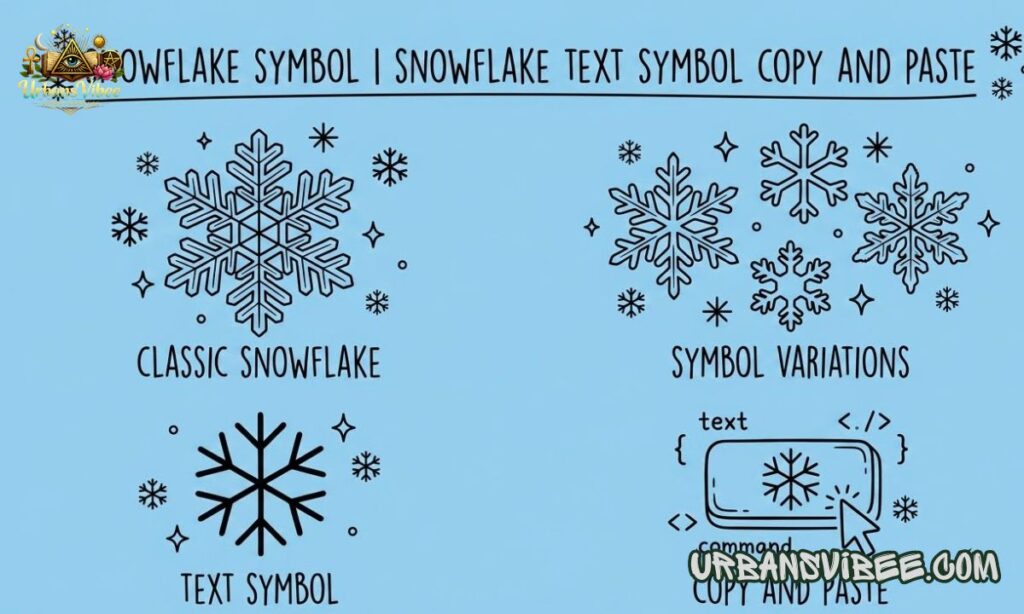
The snowflake is one of the most beloved winter symbols across cultures. Each snowflake is unique, making it a symbol of individuality and the idea that no two lives, no two journeys, are exactly the same.
Snowflake symbol meanings:
- Uniqueness and individuality
- The beauty of impermanence (snowflakes melt)
- Purity and divine perfection
- Cold weather and winter magic
Snowflake symbols you can copy and paste:
❄ ❅ ❆ ☃️ ⛄ ❉ ❊ ❋ ✻ ✼
Snowflake text symbol aesthetic combos:
- ⋆꙳•̩̩͙❅̩̩͙‧͙ ‧͙̩̩͙❆ ͙͛ ˚₊⋆
- ₊˚。⋆❆⋆。˚₊
- ⋆⁺₊❅⋆ ⁺₊❆⋆
These are widely used in social media bios, aesthetic posts, and seasonal decorations.
Cute Winter Symbols Copy and Paste | Winter Emoji Combos
If you’re looking for cute winter symbols for captions, bios, or messages, here are some popular ones:
Cute Winter Emojis: ❄️ ⛄ 🌨️ 🧊 🏔️ 🌬️ 🧤 🧣 🛷 🍵 🕯️ 🔥 🌲 🦌
Cute Winter Symbols Copy and Paste:
- ☃️❄️🌟 — snowman vibes
- 🕯️🔥❄️ — fire and ice
- 🧣☕❄️ — cozy winter
- 🌲⛄🎁 — winter holiday
Aesthetic Winter Emoji Combos for 2026:
- ❄️🌙✨ — winter night magic
- 🔥🍵📖 — reading by the fire
- ⛄💨🌫️ — blizzard mood
- 🧊🐺🌌 — cold wilderness
Simple Winter Symbols (text-only):
- ❄ * ❅ * ❆ * ☃ * ✦
These work great in bios, aesthetic boards, journal headers, and seasonal social posts.
What Does the Cold Symbolize?
Cold symbolism carries a dual nature in literature, psychology, and spirituality.
| Symbolism | Positive Meaning | Negative Meaning |
| Cold | Clarity, sharpness, focus | Isolation, numbness, emotional distance |
| Ice | Strength, preservation, stillness | Rigidity, emotional coldness, stagnation |
| Frozen landscape | Peace, purity, timelessness | Desolation, loneliness, paralysis |
| Cold wind | Change, movement, freedom | Harshness, hardship, loss |
Cold often represents emotional distance or the aftermath of trauma in literature — think of characters described as “cold” or “icy.” But cold also sharpens the mind, strips away illusion, and brings a kind of piercing clarity that warmer seasons never quite offer.
Winter Symbolism Meaning | What Does Winter Represent?
Winter represents one of the most complex and layered symbols in human experience. Here’s a breakdown of its meanings across key dimensions:
- Psychological Meaning: Psychologically, winter mirrors periods of depression, withdrawal, and inner struggle. But it also mirrors the necessary rest phase of the mind — the creative hibernation before a new idea emerges. Carl Jung connected the dark season to the unconscious, the shadow self, and the inner work required for growth.
- Spiritual Meaning: Spiritually, winter is about surrender. It asks you to release control, trust the process, and find warmth within when the outer world offers none. Many spiritual traditions describe winter as “the dark night of the soul” — the deepest phase of a spiritual journey before enlightenment or renewal arrives.
- Cultural Meaning: Culturally, winter represents family, community, firelight, and the stories we tell in the dark. From Christmas to Yule to Yalda Night, winter festivals across the world share one common theme: gathering together against the cold to affirm that life continues.
- What does winter symbolize? In one word: transformation. Everything that winter touches — the bare trees, the frozen ground, the long nights — is simply resting, not dying. Preparing, not ending.
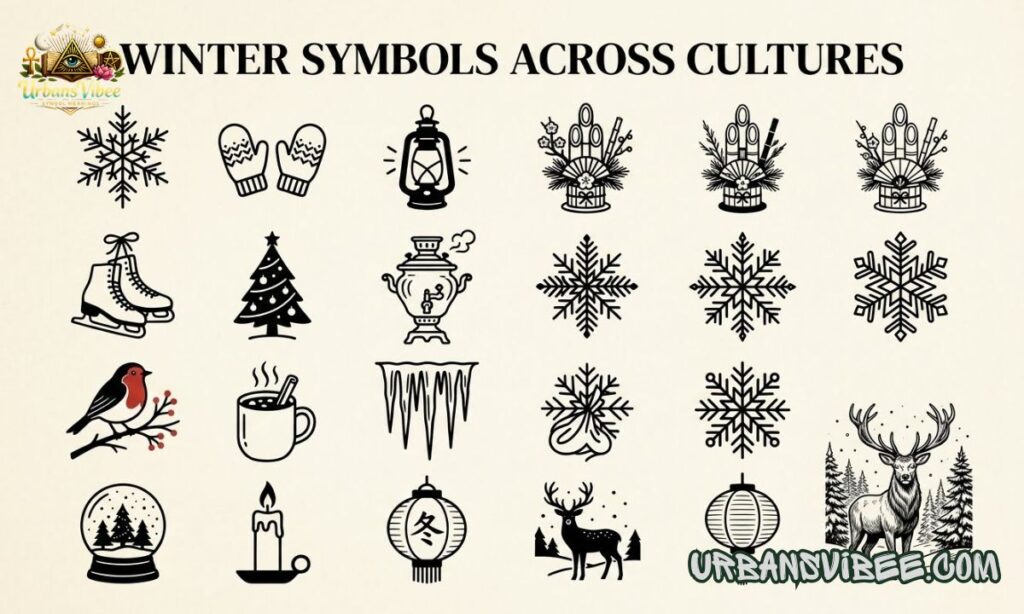
Winter Symbols Across Cultures
Norse Culture
In Norse tradition, winter was sacred and deeply symbolic. The rune Isa (meaning “ice”) was one of the Elder Futhark runes, representing stillness, frozen potential, and the pause before action. During Yule (Winter Solstice), a log — the Juul log — was burned in honor of Thor. The ashes were believed to protect the home from lightning and bring fertility to the soil.
Ancient Chinese Philosophy
In Chinese philosophy, winter aligns with the Water element and the Yin energy — cold, receptive, dark, and inward. It corresponds to the kidneys, fear as an emotion, and the stored energy of the bones. Winter is considered the ideal time to restore vitality and go deep within.
Celtic Traditions
Celtic druids hung mistletoe in their homes during the winter solstice, believing it held mystical powers to bring love and luck. The Cailleach, an ancient Crone goddess of winter, was said to shape the land with her staff, ruling the earth until spring arrived. Celtic spirals and knotwork are often associated with the endless turning of seasons.
Japanese Culture
In Japan, winter holds its own set of powerful symbols:
- Plum blossoms (ume) — the first flowers of late winter, symbolizing resilience and hope
- Cranes — associated with longevity and good fortune in cold seasons
- Snow (yuki) — beauty in impermanence, a core aesthetic in Japanese wabi-sabi philosophy
- The mythological Oshiroi Baba (snow hags) descended from mountains in winter to bring warm drinks to those in need
Christian Symbolism
In Christian tradition, winter holds profound significance. The birth of Christ at the darkest time of year carries a message: light enters the world precisely when darkness is at its greatest. Stars, candles, evergreen trees, and the white snow of Christmas all symbolize hope, purity, and divine presence arriving in unlikely circumstances.
Pagan Winter Symbols
Key pagan winter symbols include:
- Yule log — burned to invoke warmth and ward off darkness
- Evergreen trees — eternal life, resilience, protection from evil spirits
- The sun wheel — symbol of the returning light after the solstice
- Holly and ivy — protection and the persistence of life in cold
- Candles and fire — the human act of creating warmth against the dark
Winter Symbols in Art, Movies, and Pop Culture
Winter symbolism is everywhere in modern storytelling. In Frozen, Elsa’s ice powers represent both isolation and authentic self-expression — the classic dual nature of cold symbolism. In Game of Thrones, the phrase “Winter is Coming” became cultural shorthand for approaching hardship and the need to prepare mentally and practically.
In visual art, winter landscapes have long been used to evoke melancholy, solitude, and sublime beauty. Caspar David Friedrich’s snow-covered ruins and forests communicate existential awe. In photography, the “winter aesthetic” — all muted blues, bare branches, and soft snowfall — captures an emotional mood that resonates deeply.
In literature, from Narnia’s endless winter to the snow in Doctor Zhivago, winter consistently marks dramatic transitions, emotional depths, and the most intense moments of a character’s inner life.
Spiritual and Dream Meaning of Winter Symbols
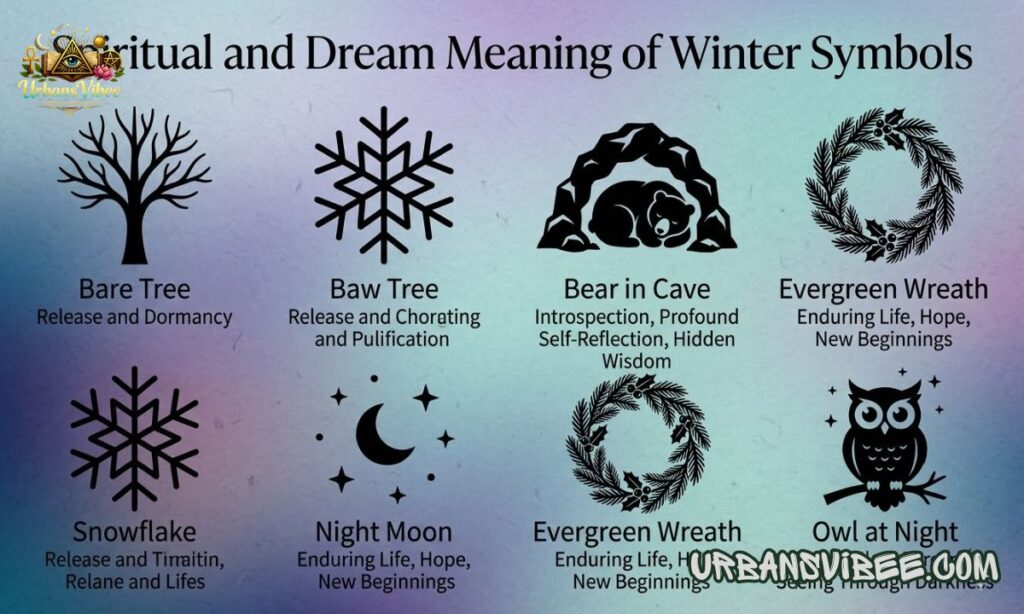
Dreaming of winter or winter symbols carries significant messages:
- Dreaming of snow — emotional cleansing, fresh start, or a desire for peace
- Dreaming of a blizzard — feeling overwhelmed, loss of direction
- Dreaming of ice — emotional numbness, frozen emotions, a situation at a standstill
- Dreaming of a warm fire in winter — inner warmth, spiritual light, finding comfort in difficult times
- Dreaming of bare trees — letting go, stripping away what no longer serves you
Positive vs. Negative Meaning of Winter Symbols
| Symbol | Positive Meaning | Negative Meaning |
| Snow | Purity, peace, new beginnings | Isolation, being buried, loss |
| Fire | Warmth, hope, inner light | Destruction, consuming too much |
| Ice | Clarity, strength, preservation | Emotional coldness, rigidity |
| Silence | Peace, reflection, inner wisdom | Loneliness, emptiness, abandonment |
| Bare trees | Honesty, simplicity, surrender | Loss, vulnerability, death |
| Winter night | Mystery, rest, inner journey | Fear, darkness, hopelessness |
Why Humans Are Drawn to Winter Symbols
There’s something primal and deeply human about our fascination with winter symbols. We are drawn to them because they mirror our inner experience — the seasons of our emotional and spiritual lives don’t follow a calendar. We all have our own winters: times of loss, quiet, retreat, and waiting. Winter symbols remind us that these seasons are not mistakes. They are essential.
Winter tells us: rest is sacred. Silence has wisdom. The darkest night still turns toward morning.
That’s why a single snowflake, a candle flame in the dark, or the silence after heavy snowfall can feel so meaningful. They speak a language older than words — one our souls recognize even when our minds don’t have the vocabulary.
Conclusion
Winter symbols are far more than seasonal decoration. They are a living language that connects us to ancient wisdom, emotional truth, and spiritual depth. From the snowflake’s message of unique beauty to fire’s reminder that warmth can be created even in the coldest darkness, to the silence that invites us inward — winter speaks to something ancient and necessary in us.
As we move through 2026-27, these symbols remain as relevant as ever. In a world that prizes speed and noise, winter’s invitation to slow down, reflect, and trust the quiet is one of the most powerful messages we can receive.
So the next time snow falls outside your window, pause. Listen to the silence. Let it mean something.
Frequently Asked Questions
What are the most common winter symbols?
The most common winter symbols include snowflakes, snow, ice, fire, bare trees, evergreen trees, the winter night sky, and cold wind. Each carries distinct emotional and spiritual meanings.
What does winter represent spiritually?
Spiritually, winter represents rest, inner reflection, surrender, and transformation. It is the sacred pause between one cycle ending and another beginning — a time to go within and prepare for renewal.
What does snow symbolize?
Snow symbolizes purity, peace, new beginnings, and emotional healing. The spiritual meaning of snow is linked with divine cleansing, quiet strength, and the idea that a fresh start is always possible.
What is the snowflake symbol meaning?
The snowflake symbolizes uniqueness, impermanence, and the beauty of individual identity. No two snowflakes are identical, making it a powerful symbol for embracing what makes you distinctly yourself.
What does cold symbolize in literature?
In literature, cold symbolizes emotional distance, isolation, and clarity. Cold can represent both the harshness of difficult circumstances and the sharpness of mind that comes from stripping away comfort.
What are pagan winter symbols?
Key pagan winter symbols include the Yule log, evergreen trees, the sun wheel, holly, ivy, candles, and mistletoe. These all relate to themes of protection, the returning light, and the death-rebirth cycle of the solstice.
What do bare trees symbolize in winter?
Bare trees in winter symbolize honesty, surrender, and the beauty of simplicity. They represent life letting go of what is no longer needed while trusting that new growth will return.
How is winter used in dreams symbolically?
Dreaming of winter often signals a period of emotional quiet, introspection, or transition. Snow in dreams usually points to cleansing and new beginnings, while ice can indicate frozen emotions or a situation that needs to thaw.
What winter symbols are not Christmas-related?
Non-Christmas winter symbols include snowflakes, bare trees, cold wind, frost, winter night skies, ice, silence, wolves, owls, and evergreen forests. These represent the season’s natural spiritual and emotional depth without holiday associations.
What does fire symbolize in winter?
Fire in winter symbolizes inner warmth, spiritual light, hope against darkness, and the human will to survive and thrive. It represents the courage to create light when everything outside has gone cold and dark.

Stephen Miller is a language enthusiast and symbol researcher at UrbansVibee. He specializes in uncovering the meanings, origins, and cultural significance of symbols, helping readers understand signs, icons, and symbolism from around the world.